
DMA cheats, cards and firmware
DMA is the only setup where nothing runs on the gaming PC at all. A board in a PCIe slot reads the game's memory directly and sends it over a cable to a second computer, where the cheat runs and the overlay is drawn. The anti-cheat has nothing to scan — there are no extra processes in the system. In return you need the full chain: a card, firmware for your anti-cheat, a second machine and the cheat itself. Every part is here, and each page says what works with what.
DMA Cheats
Cheats that run through a card, split by game. Inside: prices, features and what to buy alongside the card.
24 games · 59 cheatsDMA Hardware
Cards, KmBox units, fusers and ready-made bundles. Supplied directly, with setup help after purchase.
8 itemsDMA Firmware
Emulated firmware for EAC, BattlEye, ACE and VGK: after flashing, the card is no longer recognised as a capture board.
2 firmwareWhat a DMA setup is made of
Second computer
This is where the cheat runs and the overlay is drawn. No gaming hardware needed: for some cheats the bar starts at 4 GB of RAM and two cores. Exact requirements are on each cheat's page.
DMA card
It goes into a PCIe slot of the gaming PC and streams its memory over a cable to the second machine. It starts no processes of its own — to Windows it is an ordinary expansion card.
Firmware
Stock firmware gives the card away by its device identifiers. Emulated firmware swaps them, and to the system the board looks like ordinary hardware, a network card for example. Each anti-cheat needs its own.
Cheat, KmBox or MAKCU
The cheat runs on the second machine. Aim needs a device that moves the mouse like a real USB mouse: a KmBox or a MAKCU, which is cheaper. ESP and radar work without either.
How you see the overlay
Two ways. A fuser lays the picture from the second machine right over your gaming monitor; the resolution and refresh rate it handles are listed in each model specs. A second monitor costs nothing, but the overlay then sits on a separate screen. The second PC needs a video output: HDMI or DisplayPort.
Where DMA is bought most
 Rust
7
 Pubg
6
 Apex Legends
6
 CS2
5
 Dayz
5
 Escape From Tarkov
4
 GTA 5
3
 ARC Raiders
2
 WARDOGS
2
 Arena Breakout
2
 Hunt: Showdown
2
 Squad
2
 Warface
2
 COD: Black Ops 7
1
 Rainbow Six Siege
1
 ARMA 3
1
 Battlefield 6
1
 DeadLock
1
 Fortnite
1
 Marvel Rivals
1
 Ark: Survival Ascended
1
 Arma Reforger
1
 Dead by Daylight (Dbd)
1
 War Tundra
1
Hardware
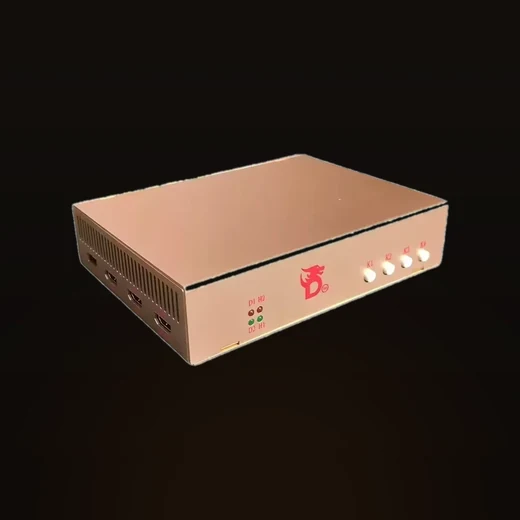
DC500 4K Fuser
- 4K supported
- Delivery in 3-5 days
- Reliability ★★★★★
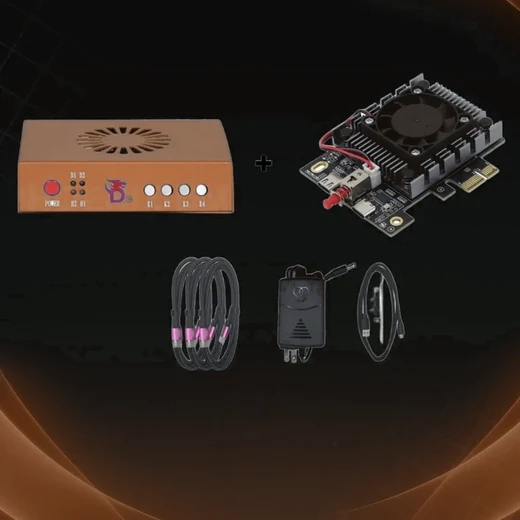
DMA + Fuser Bundle
- Reliability ★★★★★
- Everything for comfort
- Installation help
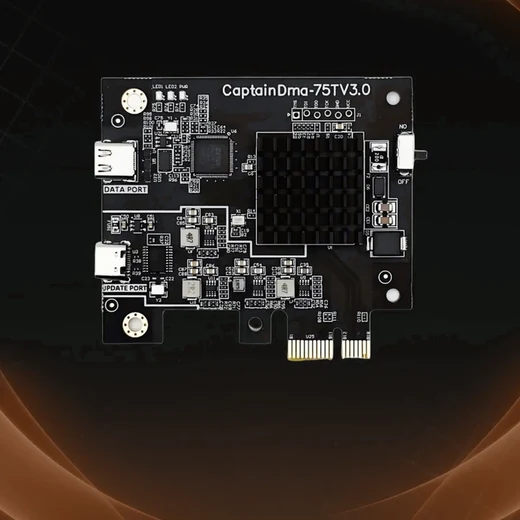
DMA CARD CaptainDMA 75T
- Reliability ★★★★★
- Straight from the supplier
- Complete set
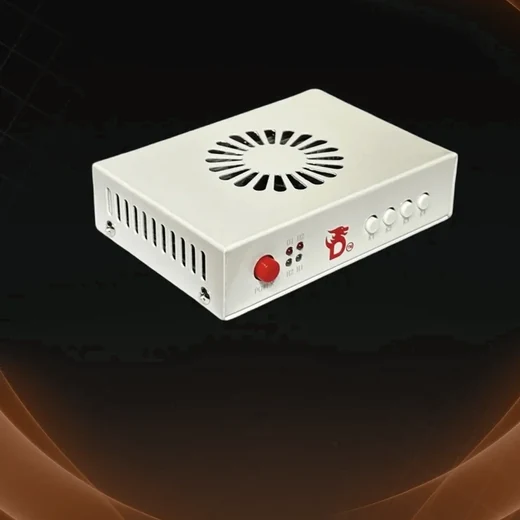
Fuser Dichen 6 gen
- Reliability ★★★★★
- Straight from the supplier
- Complete set
DMA in short
A regular cheat is a process on your PC, and the anti-cheat knows how to look for it. A DMA cheat works from another machine: a board goes into the gaming PC, reads the game's memory over PCIe and passes the data to a second computer. Nothing foreign starts on the gaming machine, so there is nothing to scan.
A card, firmware for the anti-cheat of your game, and the cheat itself. You will also need a second machine — an old laptop will do. KmBox is for those who want aim: ESP and radar work without it. Every cheat page lists what it requires.
Yes, but not a second gaming rig. The card sits in the gaming PC and streams its memory to the second machine, which computes ESP and draws the overlay. Requirements differ per cheat and are listed on its page: for some the bar starts at 4 GB of RAM and two cores, so an office mini PC or an old laptop will do.
Stock firmware gives the card away: by its device identifiers the anti-cheat sees a capture board in the slot. Emulated firmware replaces them and the device looks ordinary. Different anti-cheats need different firmware.
Only for aim. The second machine sees the game but cannot move the mouse on the gaming PC. That is the job of a KmBox or the cheaper MAKCU, which feed input as an ordinary USB device. ESP, radar and loot filters do not need them.
Lower on one specific channel: a memory scanner on the gaming PC has nothing to find, there is no foreign process there. But invisibility does not exist. Since 2025 anti-cheats look for the board itself — by PCIe device identifiers, by traps in memory, by the pattern of its access — and for input emulators like KmBox by their USB descriptors. On top of that your behaviour in the match and reports remain. Firmware covers the first point, the rest comes down to playing carefully.